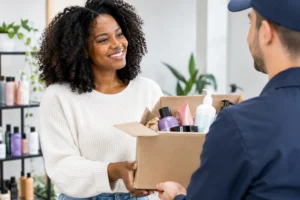
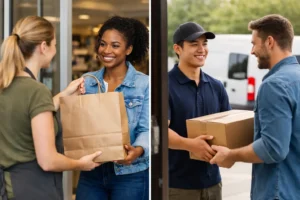
A customer realizes their edge control is almost empty an hour before dinner. A barber runs out of a high-demand product before Saturday’s last appointment. A last-minute event calls for lashes, color, or a fresh accessory now, not next week. That is where a guide to retail delivery partnerships starts: with the moments when shoppers need your shelves but cannot make the store run.
For beauty supply retailers, local delivery is more than another sales channel. Done well, it puts your inventory in front of nearby customers at the exact moment convenience matters most. Done poorly, it can create stock headaches, slow handoffs, and disappointed shoppers. The difference comes down to choosing the right partner, setting clear operations, and protecting the experience your store is known for.
Why retail delivery partnerships work for beauty stores
Beauty is personal, routine-driven, and often urgent. Customers may plan a full hair-care restock, but they also need a replacement clipper blade, braid hair, nail glue, or finishing spray without warning. Traditional shipping does not serve every need. A local retail delivery partner can.
The right setup lets a store turn existing inventory into an on-demand offering. Instead of building its own ordering app, hiring drivers, and managing delivery routes, the retailer can focus on what it does best: carrying the products customers trust and keeping the assortment current.
There is a real trade-off. Marketplace delivery comes with partner fees, operational rules, and less control than a purely in-store sale. But for many stores, incremental orders and new local visibility can outweigh those costs, especially when delivery opens sales during busy, weather-affected, or hard-to-reach moments.
Decide what success looks like before you sign
A delivery partnership should solve a specific business problem. If the goal is simply “more sales,” it will be hard to judge whether the program is paying off. Set a few practical targets before launch.
Maybe your store wants to reach customers within five miles who already buy beauty essentials online. Maybe you want larger basket sizes by pairing hair products with accessories and tools. Or maybe you need a way to move dependable, high-demand inventory beyond foot traffic without expanding your physical footprint.
Start with the numbers that matter to your store: incremental revenue, average order value, repeat purchase rate, fulfillment time, cancellation rate, and the margin left after all partner costs. The best partner is not always the one with the biggest customer base. It is the one whose customers, delivery radius, and operating model fit your business.
Know which products are delivery-ready
Not every item should be listed on day one. Start with products that are easy to find, easy to pack, and frequently needed fast. Think hair care staples, barber essentials, styling products, lashes, nail supplies, bonnets, durags, edge control, braiding hair, and popular accessories.
Be careful with items that are fragile, highly shade-sensitive, oversized, age-restricted, or prone to leakage. They can still work, but they need stronger packaging, clearer listing details, or special handling. A rushed delivery should never mean a damaged product or the wrong color at the door.
How to choose a retail delivery partner
Your delivery partner represents your store after an order leaves the counter. That makes reliability just as important as reach. Ask direct questions about the customer experience, not just the technology.
First, look at speed and service area. Can the partner reliably serve the neighborhoods where your best customers live and work? Fast delivery is a strong promise, but only if driver availability supports it during evenings, weekends, and peak beauty-shopping hours.
Next, review how orders flow. Does the platform update inventory in real time, or will your team need to manually confirm every item? Can you mark products unavailable quickly? Is there a simple way to handle substitutions when a shopper’s preferred brand or shade is sold out?
Also ask who owns the hard moments. Clarify how refunds, missing items, damaged packages, late deliveries, and customer questions are handled. A customer may place the order through an app, but they will still connect the experience to your store. Clear accountability protects your reputation.
When evaluating a beauty-first marketplace such as GlamRush2U, look for a partner that understands why product discovery, accuracy, and urgency matter in this category. A customer ordering a last-minute styling essential is not looking for a generic delivery experience. They want the right item, packed with care, fast.
Build a store process that keeps orders moving
The most successful partnerships do not add chaos behind the counter. They create a simple, repeatable rhythm that staff can follow during the rush.
Choose where incoming orders will be seen, who is responsible for accepting them, and how quickly staff must begin picking. Assign a clear pickup location near the front of the store so drivers are not searching aisles or interrupting shoppers. Even a small sign and a dedicated bag shelf can save minutes.
Accuracy matters more than speed alone. Before sealing an order, staff should confirm the product name, size, quantity, shade or variant, and any requested substitution. For beauty products, a near match is not always a match. Sending 1B when a customer selected 4 can turn a convenient order into a frustrating one.
Make substitutions feel helpful, not random
Out-of-stocks happen. The goal is to offer a smart alternative without making assumptions about a customer’s hair type, skin tone, routine, or preferred brand.
Create simple substitution guidelines for your most popular items. If a particular edge control is unavailable, for example, identify one comparable option at a similar price point. If no true replacement exists, make the refund process quick. Never swap an item just to avoid canceling it.
Keep your digital catalog clean, too. Product photos, sizes, descriptions, and variant labels should match what is actually on the shelf. Great delivery starts with a shopper being able to choose confidently from their phone.
Protect your margins without pricing yourself out
Delivery can generate more orders, but sales volume alone does not guarantee profit. Review the full economics before setting your assortment and prices. Include marketplace commissions, delivery-related charges, packaging, labor for picking orders, refunds, promotions, and any discounts you fund.
A practical approach is to begin with best-selling products that have dependable availability and enough margin to support the channel. Then test bundles that make sense for real routines, such as wash-day essentials, braid prep, barber touch-up basics, or event-ready accessories. Bundles can raise order value while giving customers a faster way to shop.
Avoid treating delivery customers as an afterthought. If prices, stock status, or service quality feel inconsistent, they may not return. The goal is profitable convenience, not a race to offer every item at the lowest possible price.
Use delivery data to sharpen your assortment
Your first month will tell you more than any forecast. Watch what customers search for, buy together, abandon, and request when items are unavailable. Delivery orders reveal urgent demand in a way in-store browsing often cannot.
You may find that a product sitting quietly on the shelf becomes a local delivery favorite after 6 p.m. You may discover that customers repeatedly buy a specific leave-in conditioner with bonnets and satin pillowcases. Those patterns can guide reorders, merchandising, bundles, and local promotions.
Review performance weekly with your team. If fulfillment is slowing down, change the pickup process. If cancellations are tied to inventory gaps, adjust catalog availability or replenishment. If drivers arrive before orders are ready, tighten the acceptance window. Small operating improvements add up fast.
Questions to settle before launch
Before your store goes live, make sure both sides can answer these questions clearly:
- What radius can receive orders, and what delivery time can customers realistically expect?
- Who handles customer support, refunds, substitutions, and damaged orders?
- How are inventory updates managed when products sell in-store and online at the same time?
- What fees apply, and when are payouts issued to the retailer?
- What packaging and pickup standards do drivers and store teams follow?
- Which performance reports will the store receive each week or month?
If the answers are vague, keep asking. A good partnership is built on shared expectations, not hopeful assumptions.
Local delivery gives beauty retailers a chance to show up when their customers need them most: before the appointment, before the trip, before the event, and before the last product runs out. Start focused, train your team, and treat every order like a customer just walked into your store looking for help. Fast is powerful. Right, reliable, and ready is what brings them back.